
Grand Canyon Gas Logs – Concrete Series
Concrete fireplace logs and panels have long been a trusted choice for gas-burning fireplaces and fire features. Their natural texture, durability, and authentic look make them ideal for both indoor and outdoor environments. Over time, however, soot buildup and surface discoloration can occur, especially with regular use on natural gas or propane burners. The good news: with just a few simple cleaning steps, you can keep your Grand Canyon Gas Logs concrete logs looking clean and performing beautifully without damaging the pigmented surface.
What You’ll Need
Before cleaning, gather these tools and materials:
- Soft bristle brush (nylon or paintbrush style)
- Shop vacuum with fine dust or HEPA filter
- Compressed air (low pressure, under 30 psi)
- Microfiber or lint-free cloth
- Distilled water (room temperature)
- Nitrile gloves (optional, for cleaner handling)
Do Not Use: Pressure washers, wire brushes, acidic cleaners, detergents, or bleach. These can erode the pigment layer or roughen the concrete surface.
Step-by-Step Cleaning Procedure
Power Down and Cool the Fireplace
Ensure the unit is turned completely off and cool to the touch. Disconnect power or shut off the gas supply if applicable. Wait at least 60 minutes after the last burn before handling logs or panels.
Dry Clean First
Use a soft brush or low-pressure compressed air to remove loose soot and debris from the surface. At the same time, position a shop vacuum near the work area to capture airborne dust. This step keeps soot from resettling on surrounding areas or being drawn into the burner assembly. Be gentle, pigmented concrete can scratch easily. Avoid rubbing, scraping, or striking the surface.
Spot Clean Soot Stains
If stubborn soot or dark areas remain:
- Lightly dampen a microfiber cloth with distilled water and gently wipe the sooty area.
- Repeat several passes with light pressure rather than scrubbing.
- Allow the surface to air-dry before evaluating the results.
Do not soak the panels or logs as moisture can be absorbed into the concrete.
Deep Soot Removal (if needed)
For heavy buildup:
- Apply distilled water to a soft cloth or sponge.
- Hold it against the stain for a few seconds to soften the deposit.
- Wipe gently and repeat as necessary.
Avoid any cleaners containing soaps or solvents (even mild detergents can dull or lift the pigment layer).
Inspect Burn Tubes and Burner Pan
While the logs are out, inspect the burner tubes and burner pan for soot, debris, or blocked air openings. Use compressed air or a pipe cleaner to remove surface dust or debris that may have accumulated. Do not use metal tools or enlarge any holes or air slots. Proper airflow ensures a clean, even flame pattern when the unit is relit.
Inspect and Reinstall
Once completely dry, inspect each log and panel:
- Confirm there are no cracks or chips affecting the flame path.
- Check for even color tone and soot distribution.
- Reinstall each component in its original position to maintain the designed flame pattern and airflow.
Outdoor Use Tips
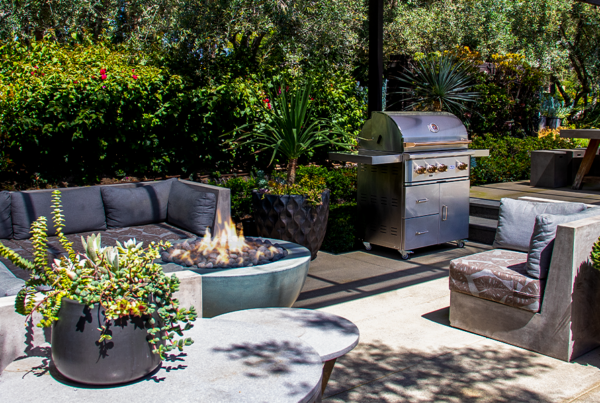
Concrete panels and logs are suitable for outdoor gas fireplaces, but exposure to weather may increase soot and dust accumulation.
- Cover the unit when not in use.
- Allow rain-soaked panels or logs to dry fully before operation.
- Clean lightly every few weeks during heavy-use seasons to prevent buildup.
Safety Reminders
- Never clean while the fireplace is hot or connected to gas.
- Avoid high-pressure air or water as both can damage surface texture.
- Do not apply sealers, waxes, or coatings unless recommended by Grand Canyon Gas Logs.
- Always allow parts to dry completely before relighting the fireplace.
Why Regular Cleaning Matters
Regular maintenance helps preserve the natural color and texture of your concrete logs and panels. Removing soot early prevents permanent darkening, reduces odor, and keeps your flame appearance balanced and bright. With gentle care, your Grand Canyon Gas Logs will provide years of dependable performance and timeless beauty, indoors or out.